We are halfway through 2018 and influencer marketing is still top of mind with most brands as a way to attract new customers and keep awareness about their brand high. Last month in Cannes at the Lions Festival, Keith Weed, CMO of global icon Unilever, announced that Unilever would no longer continue working with influencers who used bots and held fake audiences. This immediately raised a lot of red flags for brands and started a review of their approach to influencer partnerships. Over the last few years, the focus for brands has been influencer authenticity and now with this landmark announcement by Unilever it really puts audience authenticity front and center.
Earlier this year as noted by eMarketer, it was stated that 70 % of brands on were set to increase their influencer marketing budgets in 2018 (1). Influencer marketing is definitely one of the best means to mitigate effects from ad blockers which sent shockwaves through the programmatic side of the industry a few short years ago. As tens of millions of users globally have resoundingly said no to bad digital ads, brands have pivoted to find alternate means to reach their customers. Influencer marketing content cannot be ad blocked since the follower is tuning in to watch their influencer’s latest vlog on YouTube or post on Instagram. Many channels such as e-mail have proven to keep engagement high among existing customers and users, but how do brands attract new customers or launch new products if they don’t have a customer base. The answer is and has been influencer partnerships with quality creators who can teach and recommend products that match their tastes and preferences.
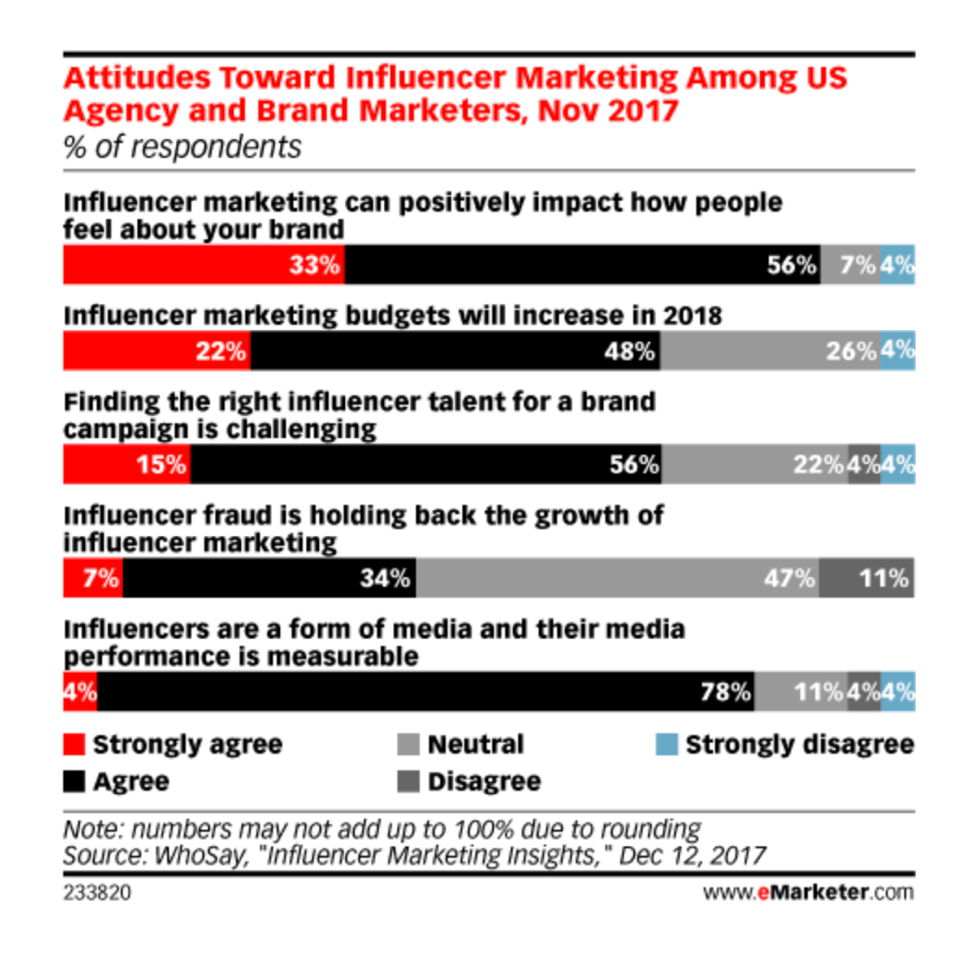
Figure 1.1 Source: eMarketer, March 2018
There are many platforms in the market who can identify influencers based on age, gender and geography, but they lack the true ability to provide insights into who their content is reaching. As a marketer, it is paramount to know who the message is reaching. For example, say you are Crackle, a leading online OTT provider, and you consider partnering with an influencer to promote a content series with a sports theme with the goal of driving new subscribers. Many platforms can help identify audiences based on a majority in the US, male and 18-45+. Then it’s the goal of the marketing director to weed out which ones seem to fit their idea of a good ambassador for the service and to then partner with them to endorse the service. While this marketer could be lucky and find a few creators, who would be a fit, the experience for many has been poor conversions because the audiences of the influencers were just not a fit for sports and technology.
By positioning the audience of the influencer at the front and then filtering against brand and competitor affinity, and also looking at the interests for the audience you can weed out the wrong influencers. The goal of the marketer is for the content to reach an audience where the best opportunity for conversion is for new subscribers. At Promoture we leverage audience insights with the ability to select interests in sports, technology and also search for the audiences which have an affinity for football, baseball, basketball and other sports and then tie this back to influencers who match these filtered demographics. This helps to ensure higher engagement among the influencer’s followers plus more conversions compared to platforms without these insights.
The authenticity of the audience is also key in influencer selection. With the appropriate tools, like leveraged at Promoture, we are able to quickly authenticate the audience quality for influencers on Instagram to ensure engagements are real and also not concentrated in a foreign country. These are usually tell-tale signs of fake and bought followers, which ultimately lead to bad experiences and poor results for brands and is the reason why it has become a concern.
Software tools should not solely be used in analyzing influencers and the criteria mentioned above. An influencer analyst can apply logic and reason to past campaigns and also do manual verifications once the software produces the cohorts since no software tool is perfect. By putting a mix of human experience and the ability to gather insights about the influencer’s audiences this make it easier to replicate success for a brand and to also foster long-term relationships with the influencers who perform well and who are truly passionate about brand partnerships.
As the back to school and holiday seasons approach it is expected that brands will be securing partnerships with ambassadors who they have seen good results and to test more partnerships with the aim of reaching consumers for the two largest selling seasons. This new focus captivating the advertising industry with audience authenticity will only help to solidify influencer marketing as one of the best performing channels to distribute original content and to continue reaching new customers.
Sources:
1. eMarketer Many Marketers Plan to Up Their Investment in Influencer Marketing
https://www.emarketer.com/content/marketers-put-their-trust-in-social-media-influencers
Follow Promoture on Twitter: @promoture for regular industry updates and tips and advice into the world of influencer marketing.
Here are some other recent posts I have written on user acquisition strategy:
• Using Influencers To Drive App Installs
• The Viral Power of Content Marketing Using Influencer Campaigns
• Paid Search Marketing Challenges For Your Apparel Brand